Planting a church is a significant undertaking. This list empowers you with essential resources to cultivate a thriving community. Discover key organizations and platforms offering practical tools, training, funding, and networking opportunities. Whether you're just starting out or seeking to multiply your impact, these resources will equip you for every stage of the church planting journey. These connections matter because planting churches brings hope and positive change to communities worldwide. Let's grow together!
1. Send Institute
Planting a thriving church requires more than just passion; it demands a strategic, informed approach. The Send Institute rises to meet this need, serving as a vital think tank for evangelism and church planting in North America. It offers a powerful combination of research, resources, and networking opportunities, equipping church planters with the tools they need to flourish in today’s dynamic landscape. Born from a collaboration between the Billy Graham Center at Wheaton College and the North American Mission Board (NAMB), the Send Institute focuses on innovative strategies for effective church planting in contemporary contexts. It’s a beacon, guiding planters toward impactful ministry.

The Send Institute operates as a hub, connecting aspiring planters with seasoned experts, cutting-edge research, and practical training. Through its diverse offerings, it addresses the multifaceted challenges of church planting, from understanding cultural shifts and demographic trends to developing sustainable leadership models and effective outreach strategies. Imagine having access to a wealth of knowledge, distilled from years of experience and rigorous research, all geared towards helping you build a thriving church. That's the power of the Send Institute.
This resource deserves its place on this list because it provides a unique blend of academic rigor and practical application. Its commitment to research-based strategies ensures that church plants are built on solid foundations, while its focus on practical tools empowers planters to put theory into action. The Send Institute offers a plethora of resources, including:
- Regular blog posts on church planting trends: Stay up-to-date on the latest developments and best practices in the field.
- Podcast featuring church planting experts: Gain valuable insights and inspiration from conversations with leading voices.
- Research reports on church planting effectiveness: Delve into data-driven analysis to inform your strategies.
- Online courses and training programs: Equip yourself with the skills and knowledge needed for successful church planting.
- National summits and conferences: Connect with a network of like-minded individuals and learn from experienced practitioners.
The Send Institute has partnered with numerous denominations to develop contextualized church planting strategies and has helped inform the planting of hundreds of churches through its training resources. These successes demonstrate the tangible impact of the Institute's work.
Pros:
- High-quality, research-based content
- Cross-denominational approach
- Combines academic rigor with practical application
- Free access to many resources
- Strong network of experts and practitioners
Cons:
- Some advanced resources require payment
- North American-centric perspective
- Relatively new compared to some other resources
Actionable Tips:
- Sign up for their free newsletter to stay updated on the latest research.
- Utilize their self-assessment tools before starting a church plant.
- Connect with their network of practitioners for mentorship.
When and why to use this approach:
The Send Institute is particularly valuable for those in the initial stages of exploring or planning a church plant. Its resources provide crucial guidance for developing a well-informed strategy and avoiding common pitfalls. Even established church planters can benefit from the ongoing training, research, and networking opportunities available.
The Send Institute, popularized by individuals like Dr. Ed Stetzer (founding director), Jeff Christopherson (co-founder), and Daniel Yang (director), is a powerful catalyst for church planting in North America. By embracing its resources and connecting with its network, you can embark on your church planting journey with confidence and clarity. While a North American focus might be a limitation for some, the principles and research offered can often be adapted and applied in other contexts. Start exploring the Send Institute today and discover how it can empower you to plant a thriving, impactful church.
2. Exponential
Dreaming of planting a church that doesn't just survive but thrives? A church that sparks a movement, igniting new congregations and transforming communities? Exponential is designed to fuel that dream. It's not just another resource; it's a comprehensive ecosystem dedicated to accelerating the multiplication of healthy, reproducing churches. They believe in building movements, not just single churches, and equip you with the tools and network to do exactly that.
Exponential goes beyond the typical church planting model by emphasizing reproduction from the start. They provide practical, field-tested methodologies that empower church planters to create a culture of multiplication within their congregations. This isn't about simply adding members; it's about raising up leaders, equipping them to launch new churches, and fostering a DNA of multiplication that continues to spread the Gospel exponentially.

Exponential's influence is undeniable. They've directly impacted over 14,000 church planters through their conferences, and their multiplication frameworks have been adopted by denominations like the ARC (Association of Related Churches), Vineyard, and various Baptist networks. These examples demonstrate the tangible impact of their resources and the effectiveness of their approach to church planting. Think of it: thousands of churches launched, countless lives touched, all stemming from a commitment to multiplication.
Features that fuel your vision:
- Annual national and regional conferences: Connect with a vast network of church planters, learn from seasoned practitioners, and gain inspiration for your own journey.
- Extensive library of free ebooks: Dive into multiplication principles, leadership development, and practical strategies, all without breaking the bank.
- Church planter assessment tools: Gain clarity on your strengths and weaknesses, identify potential blind spots, and receive personalized guidance for your specific context.
- Multiplication courses: Equip yourself with the knowledge and skills necessary to create a reproducible church planting model.
- Cohort-based learning experiences: Journey alongside other church planters, share best practices, and receive ongoing support in a collaborative environment.
Weighing the pros and cons:
Pros:
- Massive network of practitioners
- Focus on multiplication (not just single-site planting)
- Resources for various stages of the church planting journey
- Practical, field-tested methodologies
- Denominationally diverse
Cons:
- Conference attendance can be expensive
- The volume of resources can be overwhelming for beginners
- Some advanced resources require membership
Actionable steps to get started:
- Start with their free e-books: Immerse yourself in the principles of multiplication and gain a foundational understanding of their approach. A great starting point is exploring their website: https://exponential.org/
- Connect with regional cohorts: Find a community of like-minded church planters in your area and receive ongoing support and encouragement.
- Use their assessment tools before launching: Gain valuable insights into your leadership style and church planting readiness.
When to use Exponential:
Exponential is ideal for church planters who:
- Desire to create a lasting impact beyond a single congregation.
- We are passionate about raising up leaders and launching new churches.
- Seek practical, field-tested methodologies for church multiplication.
- Want to connect with a supportive network of experienced practitioners.
Exponential deserves its place on this list because it offers more than just resources; it offers a movement. It provides a clear pathway for church planters to not only plant successful churches but to also create a ripple effect of multiplication that transforms communities and advances the Kingdom of God. If you're dreaming of a movement, Exponential can equip you to build it.
3. Acts 29 Network
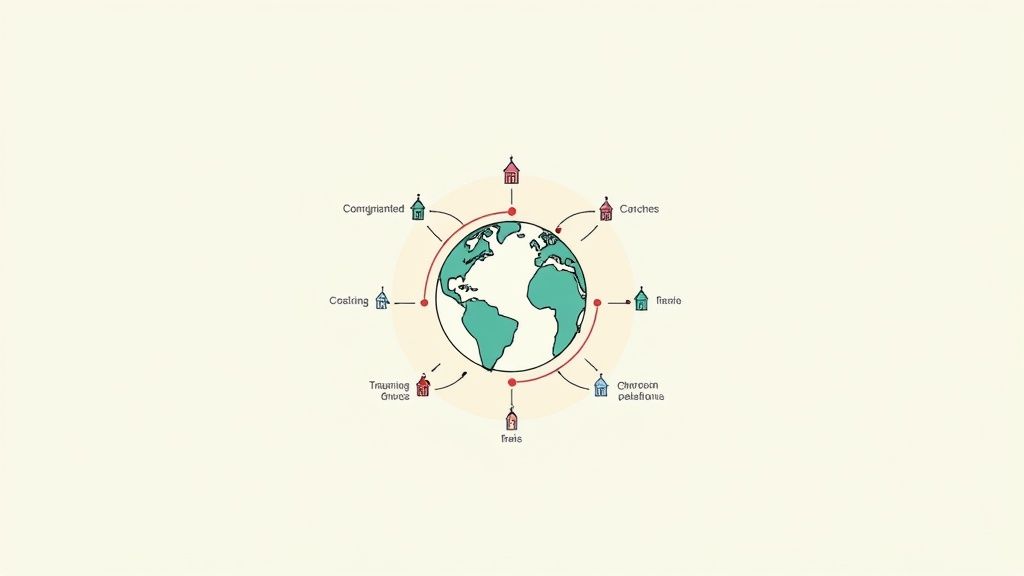
Planting a church is a monumental undertaking, requiring vision, dedication, and a strong support system. If you're looking for more than just resources but a true partnership in your church planting journey, the Acts 29 Network might be the perfect fit. This global family of church-planting churches isn't just about providing tools; it's about fostering a deep sense of community, offering rigorous training, and walking alongside planters every step of the way. They envision a world where every person has access to a healthy, gospel-centered church, and they equip leaders to make that vision a reality.
Acts 29 operates under the belief that planting thriving churches requires more than just good intentions. They provide a comprehensive framework that encompasses assessment, coaching, training, funding, and ongoing community. This holistic approach ensures that planters are not only equipped with the necessary skills but also surrounded by a network of support. This support extends beyond the initial launch phase, fostering long-term health and sustainability.
Features and Benefits:
- Rigorous Assessment Process: Acts 29 employs a thorough assessment process to ensure that potential planters possess the character, competency, and calling necessary for successful church planting. This might seem daunting, but it’s designed to set you up for success.
- Ongoing Coaching Relationships: Planters are paired with experienced coaches who provide personalized guidance and mentorship throughout the entire planting process. Imagine having a seasoned leader walking with you, offering wisdom and encouragement during challenging times.
- Theological Training Resources: Acts 29 provides access to a wealth of theological training resources that equip planters with a solid doctrinal foundation. This emphasis on theological clarity ensures that new churches are grounded in the truth of Scripture.
- Financial Support for Qualified Planters: Acts 29 offers financial support to qualified planters, helping to alleviate the financial burdens often associated with starting a new church.
- Global Network of Church Planting Churches: Being part of the Acts 29 Network connects you to a global community of church planters, fostering peer learning, shared experiences, and mutual encouragement.
Pros:
- Strong theological foundation
- Emphasis on character as well as competence
- Global perspective with contextualized approaches
- Long-term support beyond launch phase
- Peer learning communities
Cons:
- Selective acceptance process
- Specific theological requirements (Reformed)
- Membership dues required
- Less suitable for non-Reformed traditions
Examples of Success:
Acts 29 has an impressive track record, having planted over 800 churches across six continents. Many Acts 29 churches have gone on to plant multiple daughter churches, demonstrating the effectiveness of their model. Success stories include The Village Church (TX), Redeemer Fellowship (KS), and Redemption Church (AZ), inspiring examples of what God can do through committed planters and a supportive network.
Actionable Tips:
- Begin with their self-assessment tools: Before formally applying, take advantage of the self-assessment tools available on the Acts 29 website (https://www.acts29.com/). This will give you a good sense of whether or not this network aligns with your vision and values.
- Connect with existing Acts 29 churches in your region: Reach out to existing Acts 29 churches in your area to learn firsthand about their experiences and gain valuable insights.
- Utilize their church planting residency model for training: Consider participating in an Acts 29 church planting residency program for comprehensive training and hands-on experience.
Acts 29 deserves a place on this list because it offers more than just resources—it provides a comprehensive ecosystem for church planting. If you're looking for a network that will challenge you, support you, and equip you for long-term success, Acts 29 is worth serious consideration. They believe in empowering leaders to plant healthy, multiplying churches, and they provide the structure and support to help make that happen.
4. NewChurches.com
Planting a church can feel like navigating uncharted territory, a thrilling yet daunting adventure. You envision a vibrant community of faith, but the path from vision to reality can be complex. That's where NewChurches.com (https://newchurches.com/) comes in. This comprehensive online resource hub, founded by renowned church planting experts Ed Stetzer and Daniel Im, is your trusted companion on every step of the church planting journey. It deserves a spot on this list because it offers a practical, research-backed, and readily accessible roadmap to help turn your church planting dreams into a thriving reality.
NewChurches.com operates as a centralized platform, providing a wealth of resources designed to equip church planters with the knowledge, tools, and support they need. It works by offering a multi-faceted approach to church planting, covering everything from the initial seed of an idea to the long-term sustainability of a flourishing church. This includes a vast digital library of articles organized by topic, downloadable templates and tools for practical implementation, comprehensive online courses for in-depth learning, and a weekly Q&A podcast addressing real-life church planting challenges.
Features that Empower:
- Weekly Q&A Podcast: Hear experienced church planters and experts tackle the questions you're facing, offering real-time solutions and encouragement.
- Comprehensive Online Courses: Dive deep into specific aspects of church planting, from leadership development to financial management, through structured courses.
- Downloadable Tools & Templates: Access practical resources like launch timelines, volunteer recruitment systems, and budget planning templates to streamline your efforts.
- Church Planter Assessment Resources: Gain clarity on your strengths and weaknesses as a planter, enabling targeted development and strategic team building.
- Digital Library of Articles: Find answers to your specific questions through a searchable database of articles covering a wide range of church planting topics.
Success Stories:
The impact of NewChurches.com is evident in the countless church plants it has supported. Their launch timeline resources, for example, have guided thousands of churches through the crucial initial stages, providing a clear and actionable framework for a successful launch. Similarly, their systems for volunteer recruitment have been implemented across various denominations, empowering new churches to build strong teams from the outset.
Actionable Tips for You:
- Start with the free podcast: Identify your key areas of need and gain valuable insights from experienced planters.
- Utilize the pre-launch checklist: Ensure comprehensive preparation and avoid common pitfalls by following their detailed checklist.
- Join a cohort for accountability: Connect with other church planters, share experiences, and receive support throughout your journey.
When and Why to Use NewChurches.com:
Whether you're just beginning to explore the possibility of church planting or are already in the midst of the process, NewChurches.com offers valuable support. It's particularly helpful for those seeking practical guidance, step-by-step instructions, and resources grounded in research and experience.
Pros:
- Exceptionally practical, step-by-step guidance
- Based on extensive research and experience
- Suitable for various denominations and contexts
- Regularly updated with fresh content
- Combination of free and premium resources
Cons:
- Full access requires paid membership
- Primarily geared toward a North American context
- Some resources assume traditional church planting models
NewChurches.com is more than just a website; it's a community of support, a source of wisdom, and a catalyst for growth. By leveraging the resources and guidance available, you can embark on your church planting journey with confidence and clarity, empowered to build a thriving community of faith that impacts lives for generations to come.
5. Church Multiplication Network (CMN)
Dreaming of planting a thriving church that impacts lives for eternity? The Church Multiplication Network (CMN) could be the strategic partner you've been searching for. As the church planting arm of the Assemblies of God, CMN offers a robust and proven system for launching healthy, sustainable churches, and while their roots are Pentecostal, they extend their support to planters from various denominations. They believe church planting is more than just a good idea – it's a biblical mandate, and they’re committed to equipping you every step of the way.
CMN operates on the principle of providing a comprehensive ecosystem of support. This isn't just about handing out a check and wishing you luck; it's about walking alongside you through every phase of development. They offer a multi-phase training system, a matching funds program, a digital resource library brimming with practical tools, church planter assessments to identify your strengths and areas for growth, and both national and regional training events that connect you with a community of like-minded leaders. Imagine having access to seasoned mentors, financial resources, and proven strategies, all designed to maximize your impact and increase your chances of success.
Why CMN Deserves a Spot on This List:
CMN has an impressive track record, having helped launch over 4,000 churches with an astounding 86% sustainability rate after four years. Their flagship Launch training program has equipped thousands of planters across denominations, demonstrating their commitment to kingdom growth beyond denominational lines. This speaks volumes about the effectiveness of their approach.
Features and Benefits:
- Multi-phase Training: From initial vision casting to practical leadership skills, CMN provides structured training tailored to the specific challenges of church planting.
- Matching Funds Program: Boost your initial funding through CMN's generous matching funds program, giving you a solid financial foundation to launch strong.
- Digital Resource Library: Access a wealth of online resources, templates, and best practices, saving you valuable time and effort.
- Church Planter Assessments: Gain valuable self-awareness through assessments that pinpoint your strengths and areas for development, helping you become a more effective leader.
- National and Regional Training Events: Connect with a supportive community of church planters, learn from experienced leaders, and be inspired by stories of God's faithfulness.
Pros:
- Well-established with a Proven Track Record: CMN's history of success instills confidence that you're partnering with an organization that knows what it takes to plant thriving churches.
- Strong Financial Support Components: The matching funds program and other financial resources can significantly reduce the financial burden of church planting.
- Clear Step-by-Step Process for Planters: CMN provides a structured pathway, eliminating the guesswork and providing clarity for each stage of development.
- Strong Emphasis on Holy Spirit Empowerment: CMN believes in the power of the Holy Spirit to empower and guide church planters, providing a spiritual foundation for their work.
- Both Online and In-Person Training Options: Flexibility is key, and CMN offers both online and in-person training to fit your schedule and learning style.
Cons:
- Strongest Alignment with Pentecostal/Charismatic Theology: While CMN serves planters from various denominations, its theological roots are firmly Pentecostal/Charismatic, which may not resonate with everyone.
- Some Resources Limited to AG-affiliated Planters: Certain funding opportunities and resources are specifically designated for Assemblies of God planters.
- Traditional Church Model Emphasis: CMN primarily focuses on supporting the planting of traditional church models, which may not be suitable for those exploring innovative or alternative approaches.
Actionable Tips:
- Begin with their free online assessment: Gain valuable insights into your strengths and weaknesses as a church planter.
- Consider their unique matching funds program for initial funding: Maximize your launch resources by taking advantage of their matching funds opportunity.
- Utilize their proven timeline for pre-launch activities: Follow their established timeline to ensure you're covering all the essential bases before launch day.
When and Why to Use This Approach:
Suppose you're looking for a comprehensive, structured approach to church planting with strong financial and training components, and you resonate with a Pentecostal/Charismatic theology. In that case, CMN is an excellent option. Their proven system and extensive resources can significantly increase your chances of planting a healthy, sustainable church that makes a lasting impact.
Popularized By: John Davidson (director), Assemblies of God denomination, Chris Railey (former director)
Visit the Church Multiplication Network Website
6. Passion for Planting
Planting a church is a monumental undertaking, a calling filled with both immense joy and significant challenges. It requires vision, dedication, and a whole lot of practical groundwork. That's where Passion for Planting comes in, a true gift for aspiring church planters. This non-profit organization is dedicated to easing the complexities of launching a new church by providing an abundance of free and low-cost resources. Their intensely practical, hands-on approach makes them a standout resource in the often overwhelming world of church planting.
Passion for Planting understands that visionary leaders need more than just inspiration; they need tools. They provide a comprehensive suite of resources designed to simplify every step of the process, from the initial vision casting to the grand opening and beyond. This includes ready-to-use templates for essential documents, detailed launch timeline tools to keep you on track, and even project management systems to help you organize the myriad of moving parts involved in planting a church. They even offer valuable legal and administrative templates, helping you navigate the often confusing world of incorporation and 501c3 applications. Think of them as your administrative support team, freeing you up to focus on the heart of your mission: building community and sharing the Gospel.
Examples of Success:
The impact of Passion for Planting is tangible. Their project management system has been utilized by over 1,000 church plants, streamlining their processes and contributing to successful launches. Furthermore, their incorporation and 501c3 guides have helped numerous churches navigate the complexities of legal formation, saving them valuable time and resources. These are just a few examples of how Passion for Planting is empowering church planters to turn their vision into reality.
Actionable Tips:
- Start with the System: Download their complete church planting process system first. This will give you a comprehensive overview and a solid foundation to build upon.
- Roadmap to Launch: Utilize their customizable timeline tool to build a clear roadmap for your launch. This will help you stay organized and focused throughout the process.
- Save Time with Templates: Implement their pre-made policies and procedures. This will save you dozens of hours of work and ensure you have a solid administrative foundation.
When and Why to Use Passion for Planting:
Passion for Planting is particularly valuable for church planters who appreciate a practical, hands-on approach. If you're looking for ready-to-use tools and templates that you can implement immediately, this is the resource for you. Their nondenominational approach makes them accessible to a wide range of church planters, regardless of specific theological background.
Pros:
- Free Resources: Nearly all of Passion for Planting's resources are completely free.
- Practical Focus: They prioritize practicality and implementation, providing tools you can use immediately.
- Non-Denominational: Their resources are applicable to a wide range of church planting contexts.
- Time-Saving Templates: Their templates and systems can save you countless hours of work.
- Regular Updates: They regularly update their resources with new tools and improvements.
Cons:
- Less Theological Depth: While immensely practical, Passion for Planting offers less theological or missiological depth than some other resources.
- Traditional Focus: Their primary focus is on traditional church planting models.
- Limited Interaction: They offer fewer interactive or community components than some other resources.
Passion for Planting deserves its place on this list because it addresses a crucial need in the church planting world: practical support. By providing readily available, easy-to-use tools and templates, they empower church planters to navigate the complexities of launching a new church with confidence and efficiency. Their commitment to providing free resources makes them an invaluable asset to anyone with a passion for planting. While they might not delve deep into theological discussions, their practical focus fills a crucial gap and sets them apart as a vital resource for church planters ready to take action.
7. V3 Church Planting Movement
Are you dreaming of planting a church that's deeply rooted in its community, focused on discipleship, and built to last? The V3 Church Planting Movement might be the perfect resource for you. This innovative approach moves beyond the traditional "bigger is better" mentality, emphasizing sustainable growth, missional living, and a deep commitment to the local neighborhood. V3 equips church planters to create truly impactful communities that transform lives from the inside out. It's not about filling seats on Sunday mornings; it's about fostering authentic discipleship and empowering people to live out their faith in tangible ways within their everyday lives.
V3 achieves this through a unique focus on discipleship systems, missional theology, and sustainable models—rejecting the pressure to replicate megachurch structures. They believe in empowering everyday people to become ministry leaders within their communities, fostering organic growth and genuine impact.

V3 offers a robust, cohort-based training system, emphasizing neighborhood-focused ministry and bi-vocational sustainability, which is particularly helpful in expensive urban areas. Their online learning platform and regional learning communities make training accessible and foster supportive connections. This community-centered learning model allows planters to learn from each other, share best practices, and build lasting relationships. V3's emphasis on theological formation provides a strong foundation for ministry, equipping planters with the knowledge and discernment necessary to navigate the complexities of church planting. They've proven successful in challenging urban contexts like Portland, Detroit, and Baltimore, demonstrating the effectiveness of their bivocational model.
Features:
- Cohort-based training system
- Emphasis on neighborhood-focused ministry
- Bi-vocational sustainability models
- Online learning platform
- Regional learning communities
Pros:
- Counter-cultural approach to metrics and success
- Strong emphasis on theological formation
- Focus on sustainability over rapid growth
- Particularly effective for urban contexts
- Community-centered learning model
Cons:
- Not ideal for those seeking traditional church growth models
- Slower development approach requires patience
- More limited network compared to larger organizations
When and why to use this approach:
V3 is ideal for planters who:
- Prioritize deep discipleship and missional living over rapid numerical growth
- Feeling called to plant in urban or challenging contexts
- Are comfortable with a bi-vocational or non-traditional ministry model
- Value community and collaborative learning
Actionable Tips:
- Begin with their free introductory articles to determine if V3 aligns with your vision.
- Consider joining a cohort rather than trying to implement the principles alone.
- Start the process at least 18 months before your intended launch date.
Popularized By: JR Woodward (co-founder), Dan White Jr. (co-founder), Tim Soerens (contributor)
V3 deserves a spot on this list because it offers a refreshing and effective alternative to conventional church planting models. It empowers planters to build resilient, community-focused churches that prioritize discipleship and make a lasting impact. If you're looking for a resource that will challenge you to think differently about church planting and equip you to build something truly special, explore the V3 Church Planting Movement. You can learn more at [V3 Website (Insert Link Here)]. Embrace a different kind of growth, a deeper kind of impact, and a more sustainable kind of church.
8. Redeemer City to City (CTC)
Planting a church in a bustling global city presents unique challenges and opportunities. Redeemer City to City (CTC) (https://www.redeemercitytocity.com/) recognizes this and offers a robust, research-based approach specifically designed to foster thriving gospel-centered churches in these complex urban environments. Founded by Timothy Keller, CTC carries a legacy of thoughtful theological engagement and practical ministry experience, making it a powerful resource for aspiring urban church planters.
CTC isn't just a funding organization; it's a comprehensive partner. They provide a multifaceted approach to church planting, including:
- Incubator Training Programs: Rigorous training equipping planters with the theological, practical, and leadership skills necessary to navigate the unique complexities of urban ministry.
- City-Specific Research and Data: CTC utilizes in-depth research to understand the specific cultural, social, and spiritual landscape of a city, enabling churches to connect with their communities effectively.
- Global Network of Urban Church Planters: Connect with a vibrant community of like-minded planters from around the world, sharing best practices and mutual encouragement.
- Contextualized Gospel Resources: CTC provides resources and guidance on how to communicate the timeless message of the gospel in a way that resonates with the specific culture and worldview of the city.
- Church Planter Apprenticeships: Gain hands-on experience by apprenticing with experienced urban church planters.
This holistic approach has led to remarkable success stories. CTC has played a pivotal role in planting over 750 churches in 190 global cities! Notable examples include Resurrection Williamsburg (NYC), Christ City Church (Washington DC), and Inspire London. These churches exemplify how a deep understanding of urban contexts, combined with a commitment to gospel centrality, can lead to vibrant and impactful ministry.
Why choose CTC? Its specialized expertise in urban contexts, combined with its strong theological foundation and global perspective, makes it stand out. The emphasis on leadership development and research-based methodologies provides planters with a solid framework for success.
However, it's important to consider the following:
- Primarily Focused on Major Urban Centers: While CTC's expertise lies in major cities, its model may not be as readily adaptable to smaller towns or rural areas.
- More Resource-Intensive Approach: CTC’s comprehensive approach requires significant investment of time, finances, and personnel.
- Reformed Theological Orientation: While CTC welcomes planters from various backgrounds, its theological roots are within the Reformed tradition.
- Higher Financial Requirements Than Some Models: The depth of support provided by CTC often comes with higher financial requirements than other church planting models.
Tips for Utilizing CTC:
- Use their city research methods before determining location: Leverage CTC's research to understand the dynamics of your target city and identify potential opportunities for ministry.
- Implement their contextualization process for neighborhood adaptation: Tailor your approach to resonate with the unique culture and needs of your specific neighborhood within the city.
- Consider their bi-vocational models for expensive urban areas: Explore CTC's bi-vocational models to address the financial challenges of planting in high-cost urban areas.
CTC deserves a place on this list because it offers a potent combination of theological depth, practical guidance, and global perspective. If you're called to plant a church in a major urban center and are seeking a comprehensive and robust partner, Redeemer City to City may be the perfect resource for you. It's an investment that can yield significant fruit for the Kingdom of God in the heart of the city. Popularized by Timothy Keller (founder), Redeemer Presbyterian Church (founding church), and global catalyst Al Barth, CTC embodies a vision for seeing gospel transformation in the world's most influential urban centers.
8-Point Church Planting Resource Comparison
Planting with Power
Planting a church is a monumental undertaking, but not one you have to navigate alone. This article explored eight invaluable resources – Send Institute, Exponential, Acts 29 Network, NewChurches.com, Church Multiplication Network (CMN), Passion for Planting, V3 Church Planting Movement, and Redeemer City to City (CTC) – each offering unique tools and perspectives to guide you on your journey. From strategic planning and leadership development to community engagement and sustainable growth, these resources provide a wealth of knowledge and support. Remember the most important takeaways: identify the resources that resonate with your vision and context, and don't hesitate to leverage the collective wisdom and experience they offer. Church planting can be an incredibly challenging endeavor, demanding perseverance and adaptability. For those embarking on this journey, resources like Whelm's Building Resilience: 7 Ways to Thrive Amid Uncertainty can provide invaluable strategies for navigating the inevitable ups and downs. By mastering these concepts and approaches, you're not just building a church; you're cultivating a vibrant spiritual community, empowering lives, and making a lasting impact for future generations. Embrace the challenge, lean on the resources available, and watch your vision flourish.
Are you looking to connect with and empower the next generation of church planters, particularly in regions like Cambodia? Explore Khmer25, a valuable resource that supports leadership development and community engagement initiatives. Discover how Khmer25 can help you plant and grow thriving churches in Southeast Asia.


.png)